Drinking Water Filters
Best Water Filter Jug UK 2026: Tested for Taste and True Cost-per-Litre
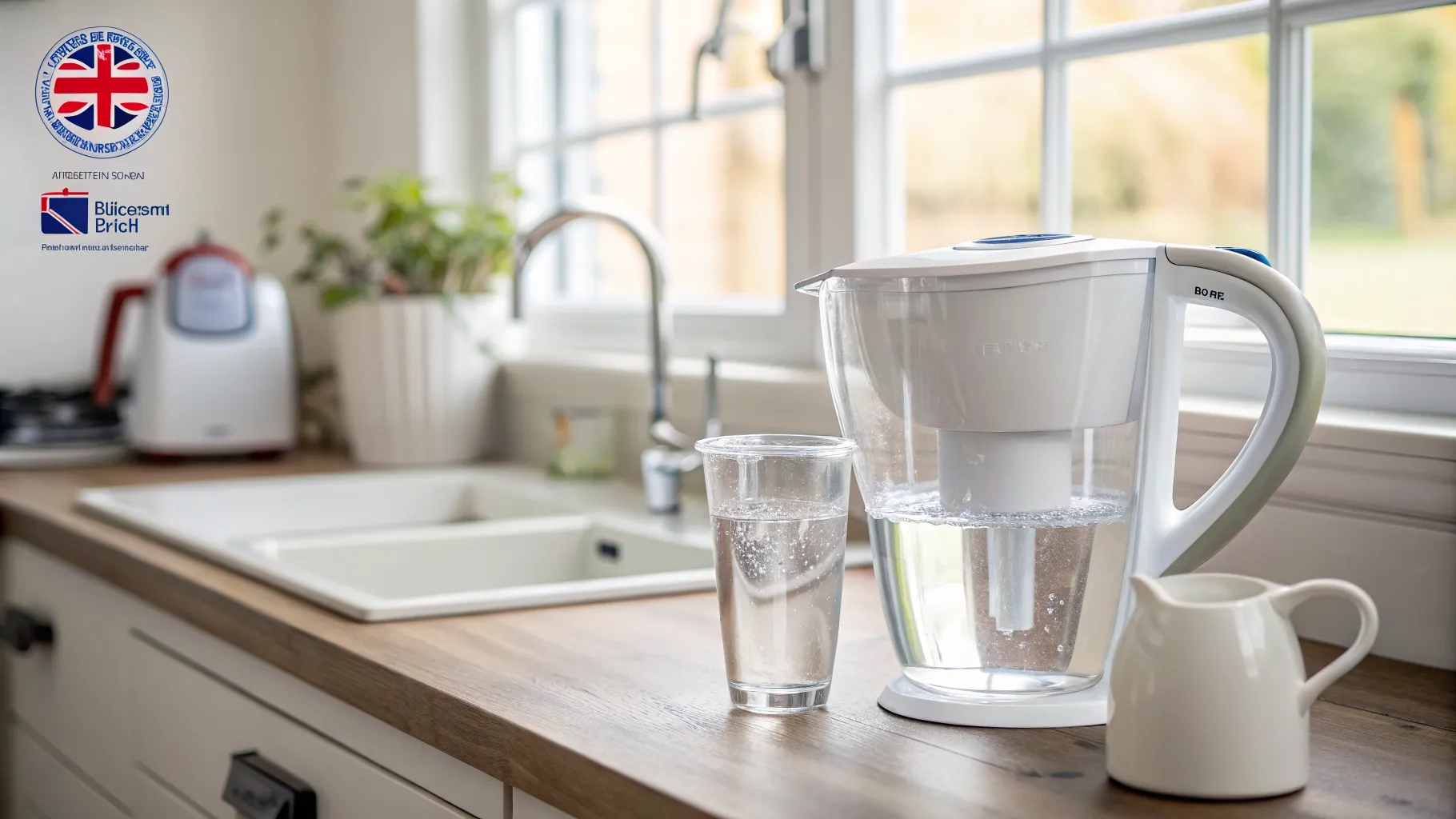
Picking the best water filter jug UK buyers can actually live with is less about the jug and more about the cartridge. Most roundups quote the cheap sticker price and stop there. The honest comparison is cost-per-litre over a year, because that is where a cheap jug quietly turns into a much pricier habit depending on which brand you bought and how hard your water is. This guide leads on that number, then on taste, because those are the two things that decide whether the jug stays on the worktop or in the cupboard.
First, the thing nobody selling you a filter wants to say plainly: UK tap water is already safe. The Drinking Water Inspectorate reports that 99.96% of tap water samples in England and Wales meet strict safety standards, with water companies testing more than 50 separate parameters covering microbiology, chemicals and metals. A jug is not buying you safety. It is buying you better taste, less chlorine smell, and less limescale furring up your kettle. If you frame it any other way you will overpay for a filter you do not need.
Why a jug at all, if the water is safe
Two real reasons.
Chlorine is added to UK tap water on purpose, to kill bacteria and viruses, and it is kept well below any harmful level. It is also what gives some supplies that faint swimming-pool taste and smell. Activated carbon, which sits in every jug filter here, strips that out. That single change is why most people who try a jug keep using one.
The second reason is limescale. Be careful with the marketing here: a jug cannot truly remove limescale. What the ion-exchange beads inside the cartridge do is trap some of the calcium and magnesium so that less scale forms in your kettle and on your taps. Less furring, not zero furring. If you are in a hard-water postcode, that difference is still worth having.
The cost-per-litre problem, in plain numbers
Here is the part the affiliate pages skip. The running cost is set by how many litres a cartridge is rated for and how often you replace it, not by the jug.
- Brita MAXTRA PRO cartridges are rated up to 150 litres each, with Brita recommending a swap every 4 weeks. That long rated life makes it the cheapest mainstream jug to run over a year.
- ZeroWater is the outlier. Its five-stage filter is rated to about 75 litres, and that life drops sharply in hard-water areas, so replacements come every two to four weeks. By cartridge count alone it runs to roughly double Brita over a year, and worse again in hard water.
So two jugs that look identical at checkout can differ wildly in cartridges over a year. Over three years that gap is the price of a decent kettle. The cost-per-litre crux is simple: cartridge price divided by rated litres, and then a worse figure again if you live somewhere hard, because the cartridge expires faster than the rating suggests.
The capacity trick on big jugs
One more number to correct before you buy on size alone. The headline capacity on a jug is the total it holds, not the filtered water you can pour. On the Brita Marella XL, the total is 3.5 litres but the filtered reservoir is 2.0 litres. The 2.4-litre Cool model gives you 1.4 litres filtered. So a “3.5L” jug delivers about 57% of that as drinkable water; the rest is the unfiltered top tank waiting to drip through. Buy for the filtered figure, not the box headline.
The three jugs worth your money
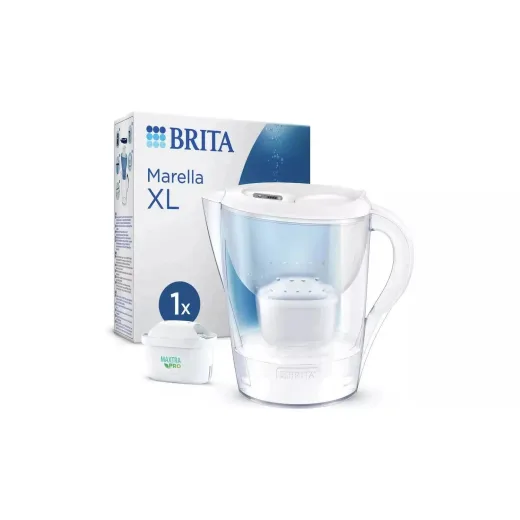
Best taste and best value: Brita Marella XL
The Marella XL is the one to beat on cost-per-litre. The MAXTRA PRO cartridge uses activated carbon plus ion-exchange resin to cut chlorine taste and odour, reduce limescale, and lower lead and copper. It is tuned to improve taste rather than strip everything out, so the water keeps its natural minerals and tastes cleaner and rounder rather than empty. Independent lead testing has put Brita among the stronger performers, removing close to three-quarters of the lead in tap water, though very high-lead supplies may still leave some residual. The digital indicator on the lid counts down to the next change so you are not guessing. Get the 3.5-litre version for a household, remembering that 2.0 litres of that is filtered.
Best contaminant removal: ZeroWater 5-stage
If your priority is stripping out as much as possible, ZeroWater is the honest pick. Its five-stage ion-exchange filter removes around 99.6% of total dissolved solids and carries independent certification (NSF/IAPMO standards 53 and 401) for reducing lead, chromium, PFAS, fluoride and nitrate. It includes a lab-grade TDS meter so you can measure when the filter is spent rather than relying on a calendar. The trade-offs are real and you should know them going in: the output can taste flat or “too pure” because it also strips the naturally occurring minerals, and the short filter life makes it the most expensive jug to run, especially in hard water. Buy it if removal matters more to you than taste or cost. ZeroWater is stocked at UK retailers including Lakeland; check the current ZeroWater listing on Amazon UK before buying, as several ASINs floating around are US listings rather than UK stock. Check price on Amazon.
Best for plastic-free and long-term cost: Phox Wave
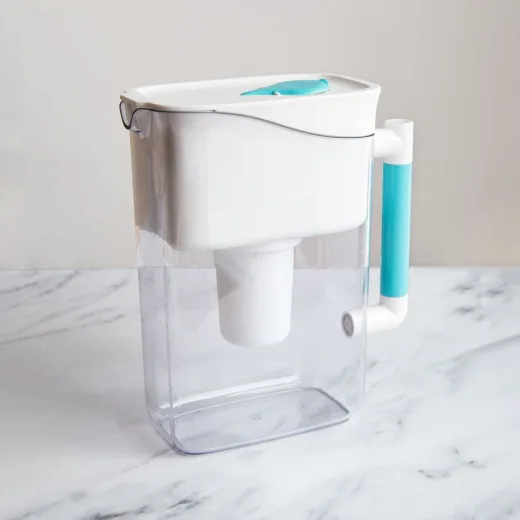
The Phox Wave 2.8-litre is the one jug here that does not bin a plastic cartridge every month. You refill a reusable cartridge with loose granules instead, so there is no plastic shell to throw away. The refills are rated around 200 litres or roughly 45 days, and a three-month supply of refills costs about the same as a couple of standard cartridges. The jug is made in Scotland, and the filtered water stays mineral-rich, so it tastes closer to Brita than ZeroWater. If you hate the waste of monthly cartridges or you want the lowest long-run cost without sacrificing taste, this is the pick.
A quick decision matrix
- Hard-water postcode, watching the budget: Brita Marella XL. Lowest running cost, keeps minerals, and the indicator stops you over-replacing.
- You want maximum contaminant removal and own a TDS meter mindset: ZeroWater. Accept the flatter taste and the higher annual cost.
- You want plastic-free and the cheapest long-term running cost: Phox Wave. Refill, do not bin.
For more on what your local supply actually contains, see our guide to hard water areas in the UK, and if you are weighing a jug against a plumbed-in option, read water filter jug vs under-sink filter.
Frequently asked questions
Do water filter jugs actually remove limescale and stop my kettle furring up? Not entirely. A jug cannot remove limescale outright, but the ion-exchange beads trap some of the calcium and magnesium, so less scale forms in your kettle over time. In a hard-water area you will still get some furring, just less of it and more slowly.
Do filter jugs remove lead, chlorine and fluoride from UK tap water? Chlorine taste and odour, yes, that is what the carbon does best. Lead, partially: independent testing found jugs removed well over half the lead, with Brita close to three-quarters, though very high-lead supplies can leave a residual. Fluoride is only reliably reduced by ZeroWater’s certified five-stage filter, not by standard carbon jugs.
Is a water filter jug even worth it if UK tap water is already safe? The water is safe; the Drinking Water Inspectorate reports 99.96% of samples meet strict standards. A jug is for taste and limescale, not safety. If your tap water tastes of chlorine or you are tired of descaling the kettle, it is worth it. If neither bothers you, you do not need one.
How often do I change the cartridge and how do I know when it’s spent? Brita recommends every 4 weeks (about 150 litres); ZeroWater every two to four weeks (about 75 litres, less in hard water); Phox roughly every 45 days (about 200 litres). Brita’s lid indicator counts it down for you. ZeroWater includes a TDS meter: when the reading climbs above about 006 the filter is exhausted.
Brita vs ZeroWater: which is better for a hard-water area? Brita, on cost. ZeroWater’s filter life collapses fastest in hard water, pushing its annual running cost to roughly double Brita’s. ZeroWater still removes more, so choose it only if maximum removal outranks running cost for you.
Can you recycle the filter cartridges? Brita runs a cartridge recycling scheme rather than kerbside recycling. The Phox Wave sidesteps the issue: you refill a reusable cartridge with granules instead of binning a plastic shell every month, which is both less waste and cheaper over a year.
Disclosure: this page contains affiliate links. If you buy through them we may earn a small commission, at no extra cost to you. We only recommend products we have verified against the live retailer. See manufacturer specifications on the Brita Marella page.