Limescale & Hard Water
Hard Water and Your Skin and Hair: What the Evidence Says
Hard Water and Your Skin and Hair: What the Evidence Says
If you live in a hard water area and your skin feels tight after a shower or your hair looks dull, it is natural to blame the water. The honest, evidence-based answer is that hard water is linked to skin problems, but the picture is more nuanced than the marketing around softeners suggests. Some claims are backed by good research; others are not. This guide sets out what the studies actually show about hard water and your skin and hair, what a water softener can realistically change, and the practical steps worth taking either way.
What “hard water” is doing to your skin
Hard water simply means water high in dissolved minerals, mainly calcium and magnesium. Those minerals are harmless to drink, but they change how water behaves on your skin in two ways.
First, they react with soaps and shampoos. Instead of rinsing cleanly, the minerals bind with the surfactants in your products to form an insoluble “soap scum” that clings to skin and scalp. Second, that interaction is thought to increase transepidermal water loss (water evaporating out through the skin) and to disturb the skin’s slightly acidic protective layer, known as the acid mantle. In plain terms, hard water can leave a residue and make it harder for your skin barrier to hold onto moisture, which is why skin often feels dry or tight after washing.
The eczema evidence, honestly
This is where you should be careful, because the research supports a real link but not the strongest claims.
On the risk side, the evidence is genuine. A large systematic review and meta-analysis pooled seven studies covering more than 385,000 people and found higher odds of atopic eczema in children living in harder water areas compared with softer ones. Notably, the effect was tied to the calcium content specifically rather than magnesium. So living in a hard water area is associated with a higher chance of children developing eczema, and hard water can aggravate symptoms in people who already have sensitive or eczema-prone skin.
But here is the crucial caveat the marketing tends to skip: there is no good evidence that installing a domestic water softener improves the severity of established eczema. A well-known UK trial testing softeners for children with eczema found no significant benefit on objective disease severity. In other words, hard water may raise the risk of developing eczema, but softening your water is not a proven treatment once eczema is already there. If you or your child has eczema, the right first step is your GP or a dermatologist and a proper emollient routine, not a softener bought as a cure. You can read more from the National Eczema Association.
Hard water and your hair
The hair evidence is thinner and more mixed. Studies of the hair shaft suggest water hardness can contribute to the drying, dulling effects people commonly report, and the same soap-scum chemistry that affects skin can leave a mineral film on hair that makes it feel rough, look flat and hold less shine. What the evidence does not strongly support is the claim that hard water significantly weakens hair or causes hair loss. So it is fair to say hard water can make hair feel drier and harder to manage, while being sceptical of dramatic damage claims.
What actually helps
Whether or not you soften your water, several practical steps genuinely reduce the day-to-day effects.
- Use less product, rinse more. Soap scum forms when minerals meet surfactants, so using less soap and shampoo and rinsing thoroughly leaves less residue behind.
- Moisturise straight after washing. Applying an emollient or moisturiser within a few minutes of towelling off helps replace the moisture hard water washing strips, which is standard advice for dry and eczema-prone skin.
- Lower the water temperature. Very hot water dries skin regardless of hardness. Warm rather than hot showers help.
- Consider a water softener for the household reasons, not as a skin cure. A softener genuinely removes the calcium and magnesium, so you get less soap scum, easier lathering and no limescale on taps and appliances. Many people report skin and hair feeling better with soft water because of the reduced residue, even though it is not a medical treatment. If limescale and cleaning are your main frustration, that alone can justify one; see our guide to the best water softeners in the UK and the running costs before deciding.
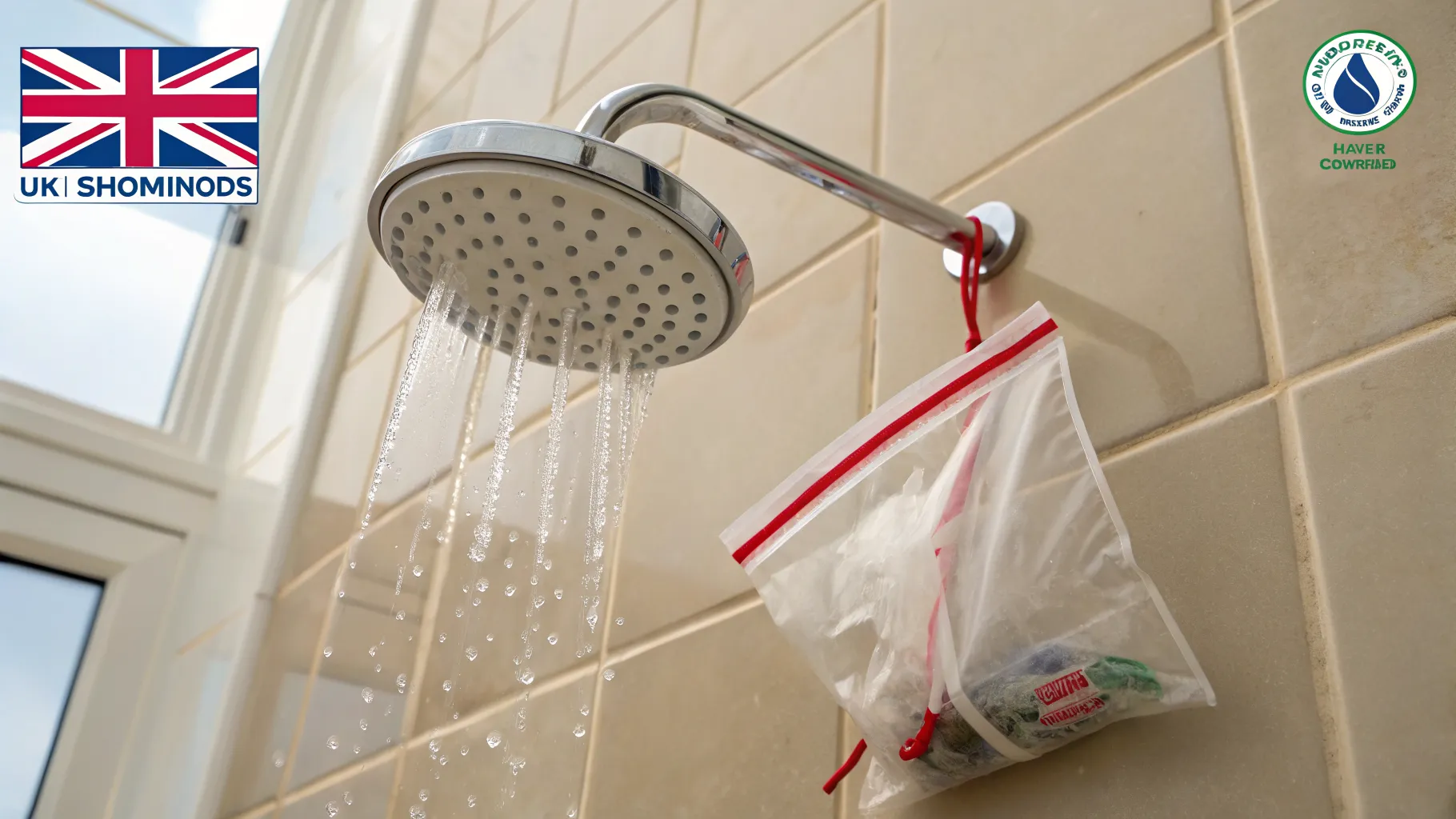
- A shower filter is the cheaper experiment. If you only want to test whether treated water helps your skin, a shower filter is a low-cost way to try it before committing to a whole-house softener.
The balanced takeaway
Hard water is fairly linked to a higher risk of eczema, especially in children, and it can leave skin dry and hair dull through soap-scum residue and moisture loss. What it is not is a proven cause of severe skin disease, and softening your water is not an evidence-backed treatment for eczema you already have. Treat a softener as a household upgrade that reduces residue and limescale, with better-feeling skin and hair as a likely bonus rather than a guaranteed medical fix. For genuine skin conditions, see a professional.
Frequently asked questions
Does hard water damage your skin? Hard water does not directly damage healthy skin, but it can leave a soap-scum residue, increase moisture loss and disrupt the skin’s protective barrier, which makes skin feel dry or tight after washing. Research also links harder water to a higher risk of eczema in children. For most people the effect is dryness and irritation rather than damage, and it is manageable with gentler washing and moisturising.
Will a water softener cure my eczema? No. While hard water is associated with a higher risk of developing eczema, a large UK trial found that domestic water softeners did not significantly improve the severity of eczema that was already established. A softener may reduce soap-scum residue and make skin feel more comfortable, but it is not a proven treatment. See a GP or dermatologist for eczema and follow a proper emollient routine.
Why does my skin feel tight after showering in hard water? Because the calcium and magnesium in hard water react with soap to form a residue that clings to skin, and this interaction increases water loss through the skin and disturbs its natural acidic barrier. The result is that familiar tight, dry feeling. Using less soap, rinsing well, showering in warm rather than hot water and moisturising promptly all help reduce it.
Does hard water make your hair worse? It can make hair feel drier, look duller and lose shine, because mineral residue builds up on the hair shaft much like soap scum on skin. The evidence for this drying, dulling effect is reasonable. However, claims that hard water seriously weakens hair or causes hair loss are not well supported, so treat those with caution.
Is a shower filter or a water softener better for skin? A whole-house water softener removes hardness minerals throughout the home, so it tackles soap scum, lathering and limescale everywhere, while a shower filter only treats the water at that one outlet. A shower filter is a cheaper way to test whether treated water helps your skin before committing. Neither is a medical treatment, so choose based on budget and whether you also want to solve limescale.