News
UK Water News: June 2026
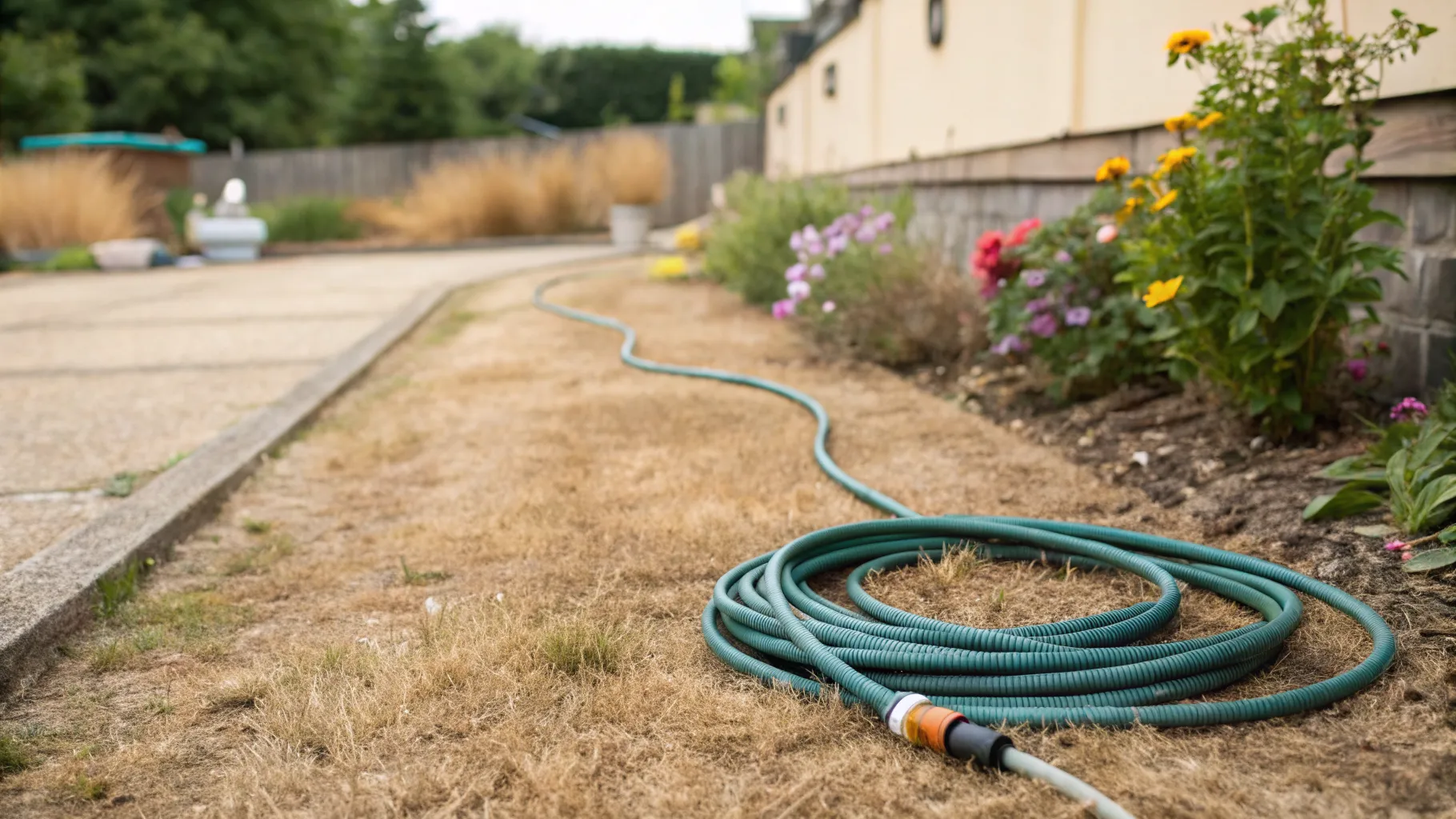
The heat has finally forced restrictions. The South East has the first hosepipe ban of the summer, Yorkshire is openly weighing one, and the Drinking Water Inspectorate has spelled out exactly how the Brixham parasite outbreak was allowed to happen. Here is what changed in the last fortnight and what it means if you are buying a filter or softener.
South East Water brings in a hosepipe ban for Kent
On 25 June South East Water announced a Temporary Use Ban for around 850,000 customers in Kent, asking people to stop immediately though formal enforcement starts on 3 July. The company blamed record demand during the hottest June on record on top of a dry spring, having had only about 36 percent of normal rainfall from March to May. A hosepipe ban does not change the quality of what comes out of your tap, but heavy summer demand on chalk groundwater is exactly why the South East has some of the hardest water in the country. If you are not sure where yours sits, run your postcode through our UK water hardness checker. The announcement is covered by ITV News.
Yorkshire Water says it cannot rule out a ban of its own
As the South East restrictions landed, Yorkshire Water said it could not rule out a hosepipe ban later in the summer, though it was in a far better position than a year ago. Its reservoirs were sitting at about 84.5 percent, well up on the 61.5 percent recorded at the same point last year, but a prolonged hot spell could still pull them below the trigger level. For buyers this is a useful reminder that a soft summer one year is no guarantee the next: if hard water is a year round nuisance in your home, the fix is a softener rather than anything weather dependent. Our guide on how to tell if your water is hard or soft is the place to start. The Yorkshire position is reported by the Yorkshire Post.
DWI report calls the Brixham outbreak a serious and avoidable failure
The Drinking Water Inspectorate published its full investigation into the 2024 Cryptosporidium outbreak in Brixham, Devon, calling it a serious and avoidable public health incident caused by systemic failures in asset inspection, governance and risk management. The parasite is thought to have entered the network through an exposed and faulty air valve on agricultural land that had not been inspected since 2011, despite earlier warnings. This follows the record fine reported earlier in June and matters to anyone weighing up a home filter: the failure mode that should drive your decision is a rare contamination event, not everyday tap water, and a basic jug does nothing against cysts like Cryptosporidium while certified reverse osmosis and under-sink systems do. Our RO vs jug vs under-sink comparison sets out what each one actually removes. The findings are reported by ITV News.