Limescale & Hard Water
How to Remove Limescale From a Toilet Bowl (Even Stubborn Stains)
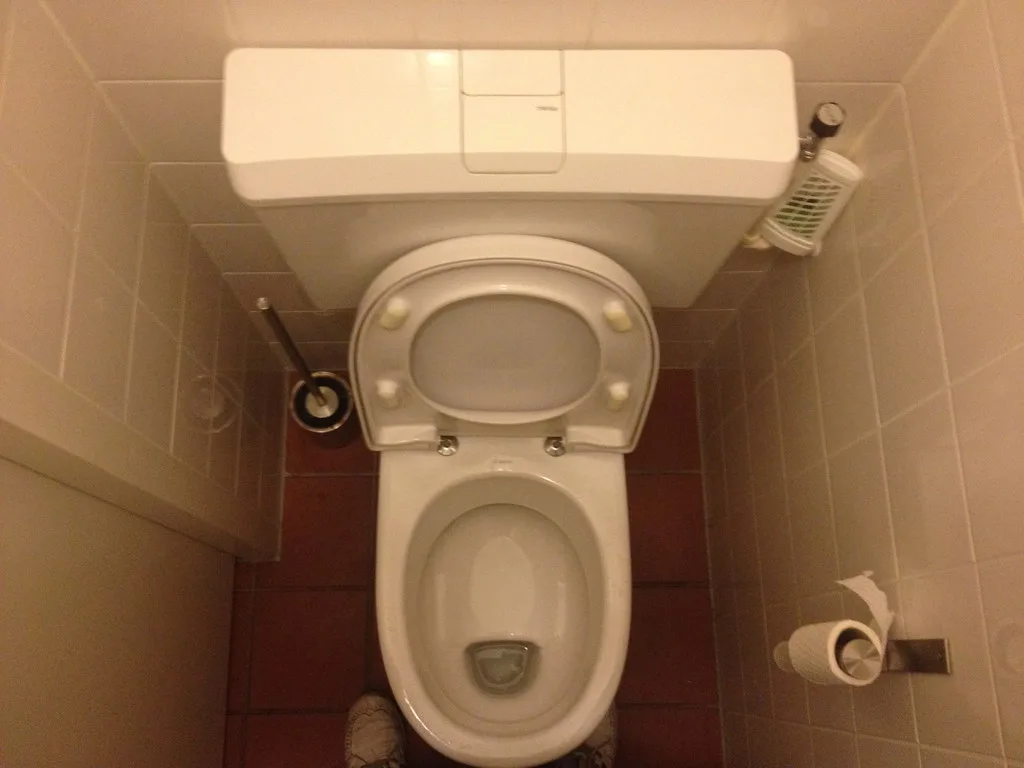
To remove limescale from a toilet, the trick most people miss is dealing with the water first: the worst stains sit below the waterline, where standing water dilutes whatever you pour in. Lower the water level, apply an acid like white vinegar or citric acid directly to the deposits, give it time, and the scale lifts far more easily than endless scrubbing ever manages. This guide walks through the whole job, from the everyday ring to the hard, brown, cement-like build-up in a long-neglected loo, plus the one safety rule you must not break.
First, understand what you are removing
That chalky ring and the cloudy or brown staining are limescale: calcium carbonate left behind as hard water sits and evaporates in the bowl. Because it is alkaline, acids dissolve it, which is why vinegar and citric acid work and ordinary bleach does not. Bleach whitens the stain so it looks cleaner, but the scale is still there. If you live in a hard water area, this will keep coming back until you tackle the cause; our guide to hard water versus soft water explains why some homes suffer far more than others.
Step 1: Lower the water level
This is the step that makes everything else work. Turn off the toilet’s isolation valve, the small screw valve on the pipe near the floor behind or beside the cistern, then flush. The cistern will not refill, so the bowl empties to a low level and exposes the scaled ring you could not reach before. For the last bit of water, you can bail or push it round the U-bend with the brush. Now your acid touches the deposits directly instead of being diluted.
Step 2: Apply an acid and wait
You have two good options.
White vinegar is the gentle, always-to-hand choice. Pour one to two cups around the bowl, concentrating on the stained ring. For scale under the rim, soak strips of toilet roll or paper towel in vinegar and press them against the deposits so the acid stays in contact rather than running straight off. Leave it for two to three hours, longer for heavy staining.
Citric acid is the stronger option for stubborn build-up, and by weight it is several times more effective than vinegar. Dissolve around 200g of citric acid powder in 500ml of hot (not boiling) water and pour it around the bowl and under the rim. Leave it for at least four hours, and ideally overnight, before scrubbing.
Whichever you use, finish by scrubbing with a stiff toilet brush or an old toothbrush for the fiddly spots under the rim, then turn the valve back on and flush a couple of times.
Step 3: For the toughest, cement-hard stains
If years of scale have set like concrete, a soak alone may not shift it. A pumice stone made for toilets is the answer: it grinds off hardened limescale without harsh chemicals. The rule is simple but important, wet both the pumice and the porcelain first and use light pressure. Dry pumice, or pressing too hard, can scratch the glaze. Work gently in small circles, rinsing often to check progress. Repeat a citric acid soak afterwards to clear any residue. The same acid-and-soak approach works elsewhere in the bathroom; see our guides to removing limescale from taps and the best limescale removers in the UK for products worth keeping under the sink.
The one safety rule: never mix acid with bleach
This matters more than anything else here. Never combine vinegar or citric acid with bleach or with a bleach-based toilet cleaner. Mixing acids and bleach releases chlorine gas, which is genuinely dangerous to breathe. Clear one cleaner out with plenty of flushing before you use another, work in a ventilated bathroom, and wear gloves. If a cleaning product’s label warns against mixing, believe it. For a broader walkthrough of methods, the B&Q limescale guide is a useful second reference.
How to stop it coming back
Once the bowl is clear, a little maintenance keeps it that way. Give the toilet a quick weekly clean before scale has a chance to harden, and a monthly vinegar or citric acid soak in a hard water area stops the ring rebuilding. The only permanent fix, though, is treating the water itself: a water softener removes the calcium and magnesium that form limescale, so scale stops forming across the whole house, not just in the loo. Our guide on how a water softener works explains whether it is worth it for your home.
Frequently asked questions
What is the best thing to remove limescale from a toilet? Citric acid is the most effective everyday option: dissolve about 200g in 500ml of hot water, pour it around the bowl and under the rim, and leave it for several hours or overnight. White vinegar works for lighter staining, and a wet pumice stone tackles hardened, cement-like scale that soaking alone will not shift.
How do I remove limescale below the toilet waterline? Lower the water level first. Turn off the isolation valve behind the toilet and flush so the bowl does not refill, exposing the scaled ring. Then apply vinegar or citric acid directly to the deposits, leave it to work, and scrub. Treating the stain under standing water is why so many attempts fail.
Does bleach remove limescale from a toilet? No. Bleach whitens the stain so the bowl looks cleaner, but it does not dissolve the calcium carbonate that makes up limescale. You need an acid such as vinegar or citric acid to actually remove it. Never mix bleach with these acids, as the combination releases toxic chlorine gas.
Will a pumice stone scratch my toilet? Not if you use it correctly. Wet both the pumice stone and the porcelain first and apply only light pressure, working in gentle circles. Dry pumice or heavy scrubbing can scratch the glaze, so keep everything wet and let the stone do the work rather than forcing it.
How do I stop limescale coming back in the toilet? Clean weekly before scale hardens and do a monthly vinegar or citric acid soak if you are in a hard water area. The permanent solution is a water softener, which removes the minerals that form limescale so it stops building up throughout the home, including the toilet.
Can I leave citric acid in the toilet overnight? Yes, and for stubborn stains it is the best approach. Pour dissolved citric acid around the bowl in the evening, leave it to work overnight, then scrub and flush in the morning. Just make sure no bleach-based cleaner is in the bowl at the same time.