Limescale & Hard Water
Hard Water and Your Washing Machine: Limescale and Fixes
If you live in a hard water area, your washing machine is quietly under attack. Hard water and washing machine limescale go hand in hand: every hot wash leaves a chalky deposit that builds up on the heating element and around the drum, costing you energy, softening the life out of your towels and, eventually, killing the machine. The good news is that the fixes are simple and cheap, and one popular “solution” is largely a waste of money if you get the basics right. Here is what hard water actually does to your machine and what to do about it.
What hard water does inside the machine
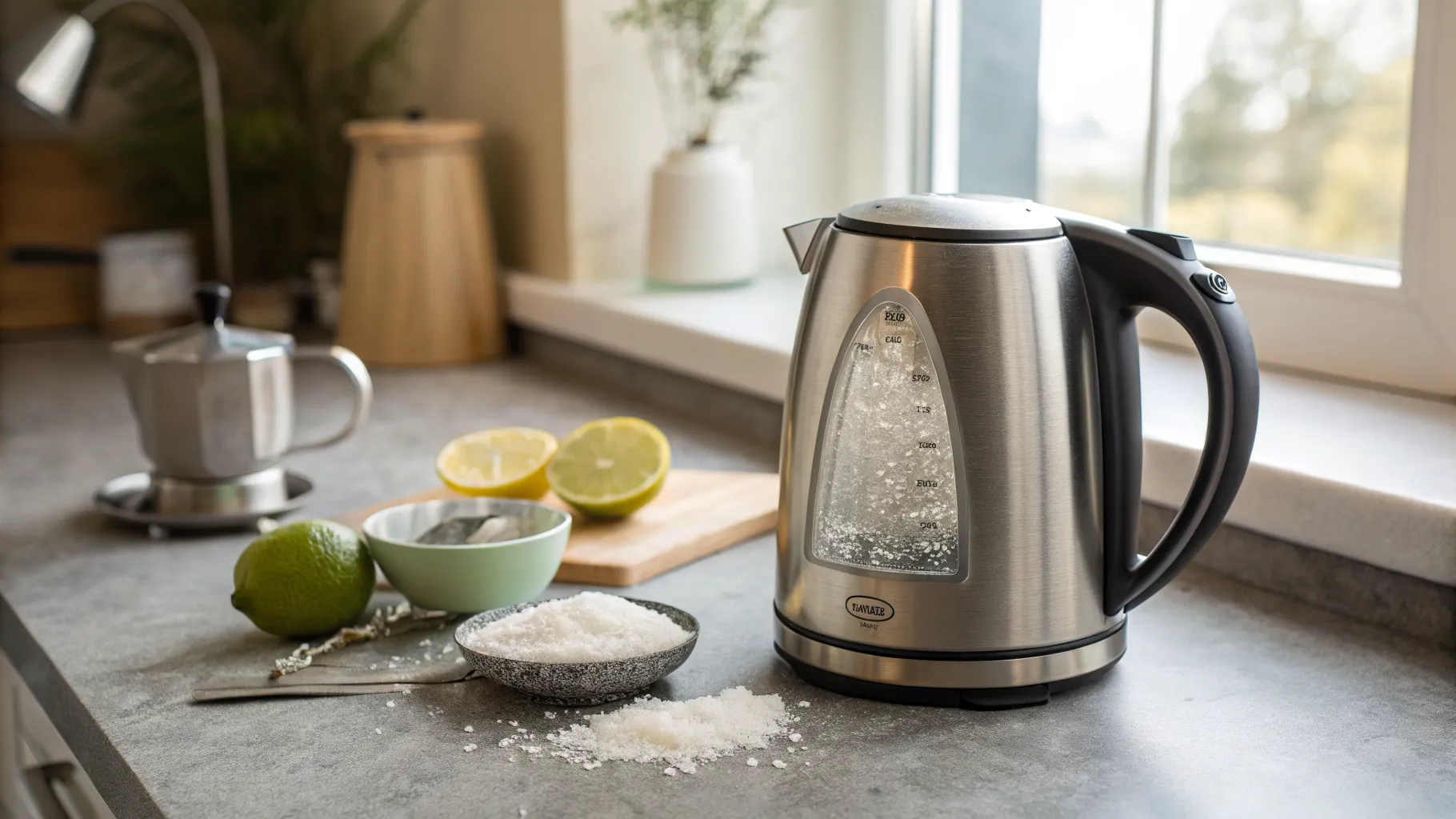
Hard water is water with a high mineral content, mainly calcium and magnesium. When it is heated, those minerals come out of solution and settle as limescale, the same white, chalky crust you see furring up a kettle. In a washing machine, two things suffer.
First, the heating element. Limescale coats the element and acts as an insulator, so the element has to work harder and run hotter to heat the water. That pushes energy use up, commonly by a noticeable margin, and a scaled element is the single most common cause of washing machine breakdowns. Left long enough, it fails completely.
Second, your laundry. Hard water reacts with detergent and stops it lathering and working properly, so clothes come out less clean, whites go grey, and towels feel stiff and scratchy from mineral and detergent residue left in the fibres. If your appliances are already struggling, our guide to limescale in your boiler and appliances shows how widespread the damage gets.
The fix that matters most: dose your detergent correctly
This is the part most people get wrong, and it is the key to everything. Modern washing detergents already contain water-softening agents (builders) designed to deal with hard water. The catch is that in a hard water area you need to use the higher dose printed on the pack, because the minerals “use up” some of the detergent before it can clean your clothes.
Under-dose in hard water and you get exactly the problems above: poor cleaning, greying, stiff towels and scale building up. Use the correct hard water dose and you solve most of it in one move. Washing machine manuals and appliance experts consistently link limescale problems to too little detergent rather than the absence of any special additive, a point made well by independent repair specialists like Whitegoods Help.
The honest truth about Calgon and water-softener tablets
Products like Calgon are marketed as essential for protecting your machine from limescale. The honest, evidence-based position is more nuanced: if you already use a good detergent at the correct dose for your water hardness, you generally do not need a separate water-softener additive, because your detergent is already softening the water.
Where these tablets do have a use is if you deliberately under-dose your detergent. Adding a softener tablet lets you use less detergent in hard water while still preventing scale. But you are essentially paying twice for water softening. A far cheaper alternative to the branded tablets is plain washing soda (sodium carbonate), which does a similar job for a fraction of the cost. So it is not that these products do nothing, it is that correct detergent dosing usually makes them unnecessary.
Clearing scale that has already built up
If your machine has been in a hard water area for years, some scale is already there. To shift it:
- Run an occasional hot maintenance wash. An empty cycle at 60°C or higher, with a proprietary washing machine cleaner or descaler, helps break down limescale and the greasy biofilm that builds up. Doing this every month or two is good practice in hard water.
- Clean the detergent drawer and door seal, where scale and residue collect and cause smells.
- Check and clean the filter at the bottom of the machine.
None of this reverses a badly scaled element, but it keeps a healthy machine healthy and stops new build-up.
The permanent solution: soften the water
Descaling and correct dosing manage the symptoms. The only way to stop hard water reaching your machine at all is to treat the water itself with a whole-house water softener, which removes the calcium and magnesium before they get to any appliance. In a hard water area, that protects your washing machine, dishwasher, boiler and shower all at once, and it lets you use noticeably less detergent because soft water lathers so easily.
Whether it is worth the cost depends on how hard your water is, which you can check on our UK water hardness map. For the numbers on fitting one, see our guide to water softener installation costs. If you also run a dishwasher, our piece on limescale in a dishwasher covers the same battle in that appliance.
The short version
In a hard water area, do three things: use the correct hard water detergent dose, run a monthly hot maintenance wash with a machine cleaner, and consider a water softener if your water is genuinely hard. Get those right and you can skip the pricey softener tablets, keep your towels soft and your whites bright, and give your washing machine a much longer life.
Frequently asked questions
Does hard water damage a washing machine? Yes. Hard water leaves limescale that coats the heating element, making it run hotter and less efficiently and eventually causing it to fail, which is the most common washing machine breakdown. It also leaves clothes less clean, greys whites and makes towels stiff.
Do I really need Calgon in a hard water area? Usually not, if you use a good detergent at the correct dose for hard water, because detergents already contain water-softening agents. Softener tablets are only really useful if you deliberately under-dose your detergent, and washing soda does a similar job far more cheaply.
How do I stop limescale building up in my washing machine? Use the higher hard water detergent dose, run a monthly empty maintenance wash at 60°C or above with a washing machine cleaner or descaler, and keep the drawer, seal and filter clean. The permanent fix is a whole-house water softener that removes the minerals before they reach the machine.
Why are my towels stiff after washing in hard water? Hard water minerals react with detergent and leave residue trapped in the fibres, which makes towels feel stiff and scratchy. Using the correct detergent dose, an occasional hot wash, or softened water all help keep them soft without needing extra fabric conditioner.
Does hard water make my washing machine use more energy? Yes. Limescale on the heating element acts as an insulator, so the element works harder and uses more energy to heat the water, often by a significant margin. Keeping the element free of scale helps the machine run efficiently and reduces running costs.
Should I use more detergent in a hard water area? Yes. Detergent packs give a higher dose for hard water because the minerals partly neutralise the cleaning and softening agents before they work on your clothes. Using the correct hard water dose is the single most effective step for cleaning and for preventing limescale.