Limescale & Hard Water
Limescale and Your Boiler: How Hard Water Shortens Appliance Life
Limescale in your boiler is the most expensive household problem you cannot see. It builds up slowly on the heating surfaces, quietly raising your gas bill and shortening the life of a boiler that costs thousands to replace. Around 60% of the UK lives in a hard water area, so for most households this is not a maybe, it is a slow certainty. Here is exactly what it does and how to stop it.
How limescale builds up in a boiler
Hard water carries dissolved calcium and magnesium. When that water is heated, those minerals come out of solution and stick to the hottest surfaces as a chalky crust: the heat exchanger, the element, the inside of pipes. The hotter the surface, the faster it scales, which is why the boiler and the immersion heater take the worst of it.
The scale is not trivial in volume, either. British Water has calculated that an average family of four in a hard water area accumulates around 70kg of limescale a year across their plumbing and appliances. Most of it lands where heat is generated.
Why it costs you money every day
Limescale is an insulator. A layer of it on the heat exchanger sits between the flame and the water, so heat struggles to pass through and the boiler has to burn more gas to reach the same temperature.
The numbers are stark. According to the Carbon Trust, just 1mm of limescale on a heating element increases the energy it uses by around 7%. A 1.5mm layer can push efficiency loss toward 12%, and heavier scaling inside boiler tubes can cut efficiency by as much as 25%. In practice, descaling a badly affected system has cut heating bills by a fifth or more. You are paying that premium on every single heating cycle until it is dealt with.
The hit to appliance lifespan
The bigger cost is replacement. A well-maintained boiler in a soft water area might last 15 to 20 years. The same boiler in a hard water area, with no protection, can drop to 8 to 10 years. Scale makes components run hotter and work harder, which leads to premature failure of the parts that are expensive to fix.
It is not just the boiler. The same process attacks every appliance that heats water:
- Dishwashers and washing machines scale up on their elements and lose efficiency, then fail early.
- Immersion heaters and hot water cylinders lose capacity and burn more electricity.
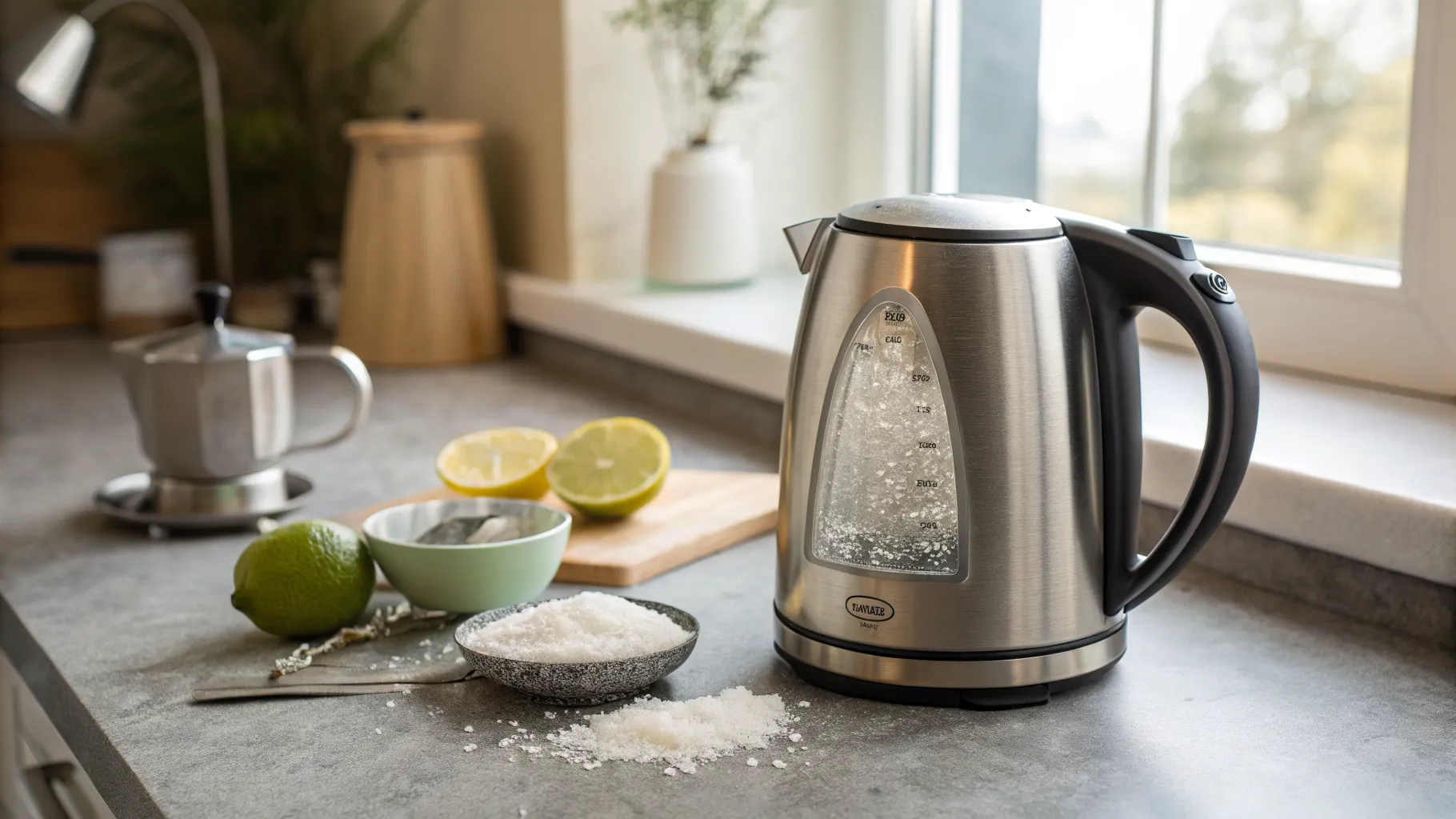
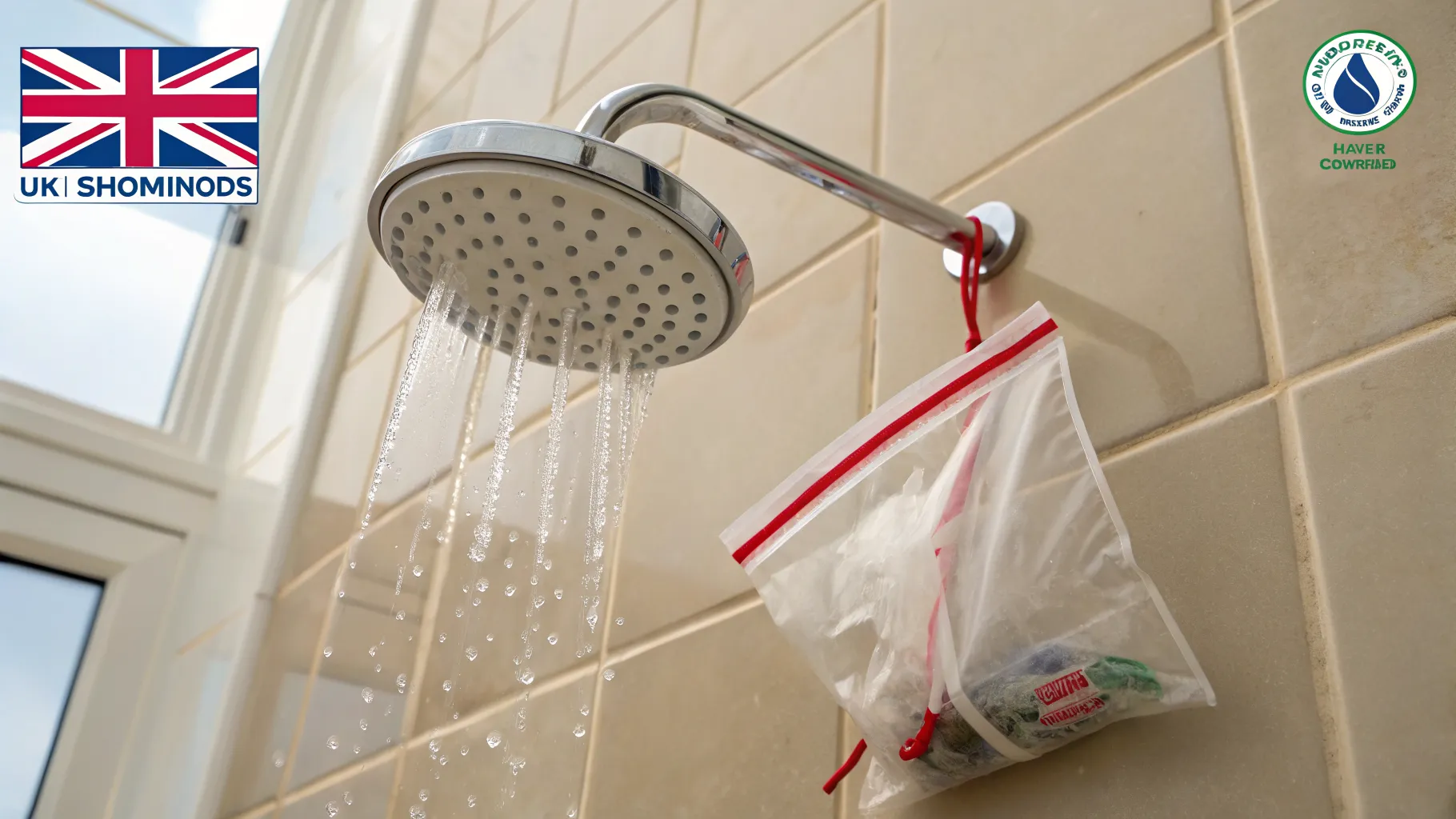
- Kettles, taps and shower heads fur up fastest of all, because you see them daily. Our guides on descaling a kettle and clearing a shower head deal with those quick wins.
How to protect your boiler
There are three practical levels of protection, and they are not mutually exclusive.
A water softener is the most thorough fix. It removes the hardness minerals before they ever reach your boiler or appliances, so no new scale forms anywhere in the house. It is the only option that genuinely stops scale rather than slowing it, and it protects everything downstream. Our best water softener guide and the running cost breakdown cover what to expect.
A scale inhibitor or conditioner is a cheaper, non-softening option. Inline devices, including electrolytic and dosing types, alter how the minerals behave so they are less likely to stick, without removing them from the water. They do not give you the soft-water feel and are less complete than a softener, but they offer real boiler protection at lower cost. Our salt-free conditioners guide explains where they fit.
Annual servicing matters whatever else you do. A heating engineer can flush the system and check for scale build-up, and many manufacturers require an annual service to keep the warranty valid. In a hard water area this is not optional maintenance, it is cost protection.
Is it worth it?
Run the maths against the risk. A softener or conditioner is a modest one-off cost against a boiler replacement brought forward by years, plus a heating bill that creeps up the whole time scale is building. For the majority of UK homes in hard water areas, protecting the boiler pays for itself well before the boiler would otherwise have failed. The first step is simply knowing your water: our is my water hard or soft guide and the water hardness checker tell you where you stand.
Frequently asked questions
Does limescale really damage a boiler? Yes. Limescale forms an insulating layer on the heat exchanger and element, forcing the boiler to burn more fuel and run hotter. That extra strain leads to premature component failure, which is why boilers in hard water areas without protection often last only 8 to 10 years versus 15 to 20 in soft water areas.
How much does limescale increase heating bills? The Carbon Trust says just 1mm of limescale on a heating element raises its energy use by around 7%, and heavier scaling can cut boiler efficiency by up to 25%. You pay that extra on every heating cycle, so descaling a badly affected system can reduce heating bills noticeably.
How do I stop limescale building up in my boiler? The most complete fix is a water softener, which removes hardness minerals before they reach the boiler. A scale inhibitor or conditioner is a cheaper option that reduces scale formation without softening. Annual servicing and flushing also help and may be required to keep your warranty valid.
Will a water softener remove existing limescale from my boiler? A softener stops new scale forming, and over time softened water can gradually dissolve some existing deposits, but it is not an instant clean. For a heavily scaled system, a power flush by a heating engineer clears the existing build-up, after which a softener keeps it from returning.
Is hard water bad for all my appliances? Yes, anything that heats water suffers: dishwashers, washing machines, immersion heaters, kettles and shower heads all scale up and lose efficiency. Protecting the whole house with a softener guards every appliance, while a boiler-only inhibitor protects just the heating system.