Water Softeners
How Does a Water Softener Work? Ion Exchange Explained Simply
How does a water softener work? In one line: it swaps the calcium and magnesium that make water hard for sodium, using a tank of tiny resin beads and a periodic wash of salt water. That single swap, called ion exchange, is the whole trick, and once you understand it the salt bags, the occasional whoosh of water at night and the “regeneration” setting all start to make sense.
This guide explains the process step by step, without the chemistry-textbook jargon, so you know exactly what is happening inside that tank in your utility cupboard.
What makes water “hard” in the first place
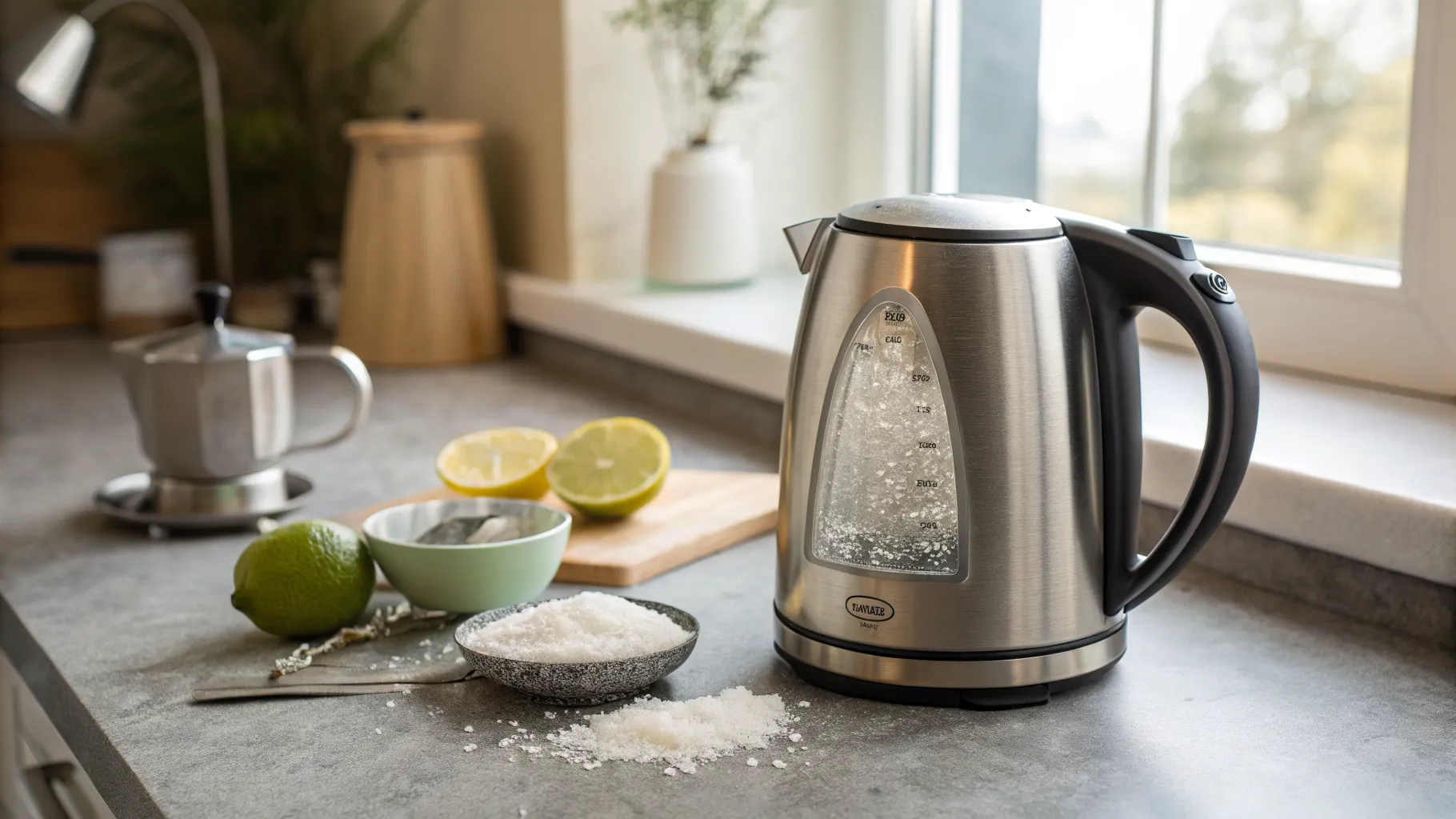
Hard water contains dissolved calcium and magnesium. Rain soaks through chalk and limestone underground and picks these minerals up, which is why much of the UK, especially the south and east, has hard water. Those minerals are what leave limescale in your kettle, cloud your glasses and make soap harder to lather. If you are not sure about your own supply, our guides on hard water vs soft water and whether your water is hard or soft will tell you.
A water softener’s job is simply to take those two minerals out before the water reaches your taps and appliances.
The core process: ion exchange
Inside the softener is a tank filled with thousands of small, porous plastic beads called resin. Each bead carries a fixed negative charge and starts out coated with positively charged sodium ions. Here is what happens:
- Hard water flows in. As it passes through the resin bed, the calcium and magnesium ions in the water are more strongly attracted to the beads than the sodium is.
- The swap happens. The beads grab the calcium and magnesium and hold on to them, releasing their sodium ions into the water in exchange. This is ion exchange.
- Soft water flows out. The water leaving the tank has had its hardness minerals removed and a small amount of sodium added in their place. That is softened water.
That is the entire softening step. No hard minerals reach your pipes, so no new limescale forms.
Why softeners need salt: regeneration
Eventually the resin beads run out of sodium to trade. Every exchange site is now clogged with calcium and magnesium, and the beads are “exhausted” and can no longer soften water. This is where the salt comes in.
During regeneration, the softener rinses the resin with a strong salt (sodium chloride) solution, drawn from the brine tank. The high concentration of sodium reverses the process: it forces the calcium and magnesium off the beads, recharges them with fresh sodium, and flushes the hardness minerals away to the drain as waste. The resin is now recharged and ready to soften again.
This is why:
- You top up the salt, which supplies the sodium for regeneration.
- The unit uses water and needs a drain connection to flush the waste away. See do water softeners need a drain.
- You may hear it running at night, when many softeners are set to regenerate.
If yours seems to be getting through no salt at all, something is wrong, as our guide on a water softener not using salt explains.
Single tank vs twin tank
The one weakness of a single-tank softener is that while it regenerates, it cannot soften water, so you briefly get hard water (this is why single tanks usually regenerate at night). A twin-tank softener has two resin tanks and switches between them, so one is always softening while the other regenerates, giving you soft water around the clock. Our twin tank vs single tank comparison covers which suits which household.
Is softened water safe to drink?
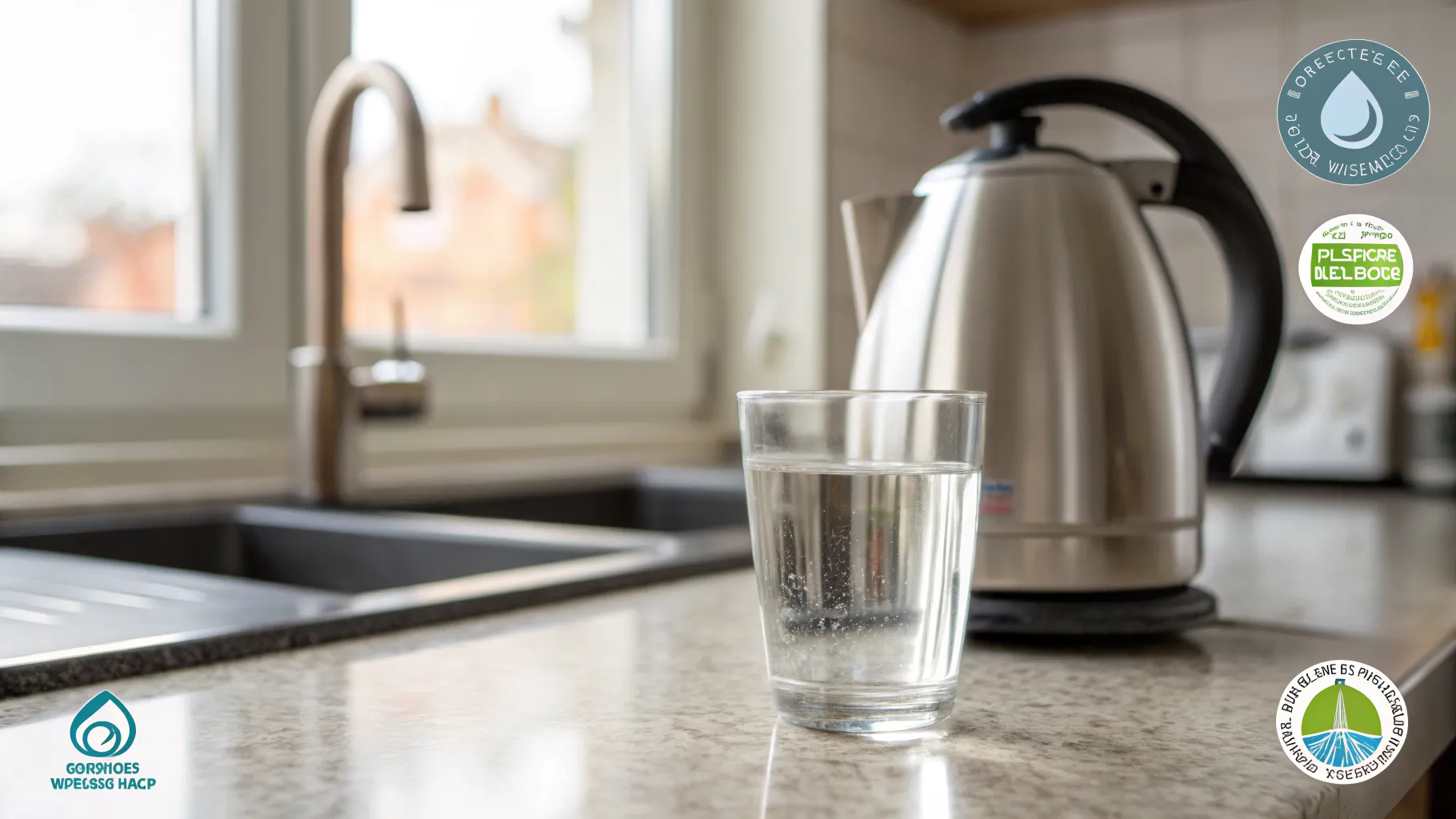
Softened water contains a little added sodium, and the amount rises with how hard your original water was. For most people this is not a concern, but the usual advice is to keep one hard, unsoftened tap (typically the kitchen cold tap) for drinking and filling the kettle, and for making up baby formula. Our full guide on drinking softened water goes into the detail, and the Drinking Water Inspectorate is the authority on UK drinking water.
Frequently asked questions
How does a water softener work in simple terms? It passes hard water through a tank of resin beads that swap the calcium and magnesium (which cause hardness) for sodium. This ion exchange removes the minerals that leave limescale, so soft water reaches your taps and appliances.
Why does a water softener need salt? The salt regenerates the resin. Once the beads are full of calcium and magnesium, a strong salt solution washes them, forcing those minerals off and recharging the beads with sodium so they can soften water again. Without salt, the softener cannot regenerate.
Does a water softener remove all the calcium? An ion-exchange softener removes the calcium and magnesium that cause hardness, replacing them with a small amount of sodium. It does not filter out other contaminants, which is a job for a separate drinking water filter.
How often does a water softener regenerate? It depends on your water hardness and how much water you use, but many units regenerate every few days, often overnight. Metered softeners regenerate based on actual water use rather than a fixed timer, which saves salt and water.
Is softened water safe to drink? For most people, yes, but it contains added sodium that increases with the original hardness. The common advice is to keep one unsoftened tap for drinking, cooking and baby formula. Check our drinking softened water guide and speak to your GP if you are on a low-sodium diet.
The bottom line
So, how does a water softener work? It trades hardness for sodium through ion exchange over a bed of resin beads, then uses a periodic salt wash to reset those beads so the cycle can repeat indefinitely. That is why it needs salt, a drain and the occasional night-time cycle. Understand ion exchange and everything else about owning a softener, from salt use to keeping a hard drinking tap, falls neatly into place.