News
UK Water News: Late July 2026
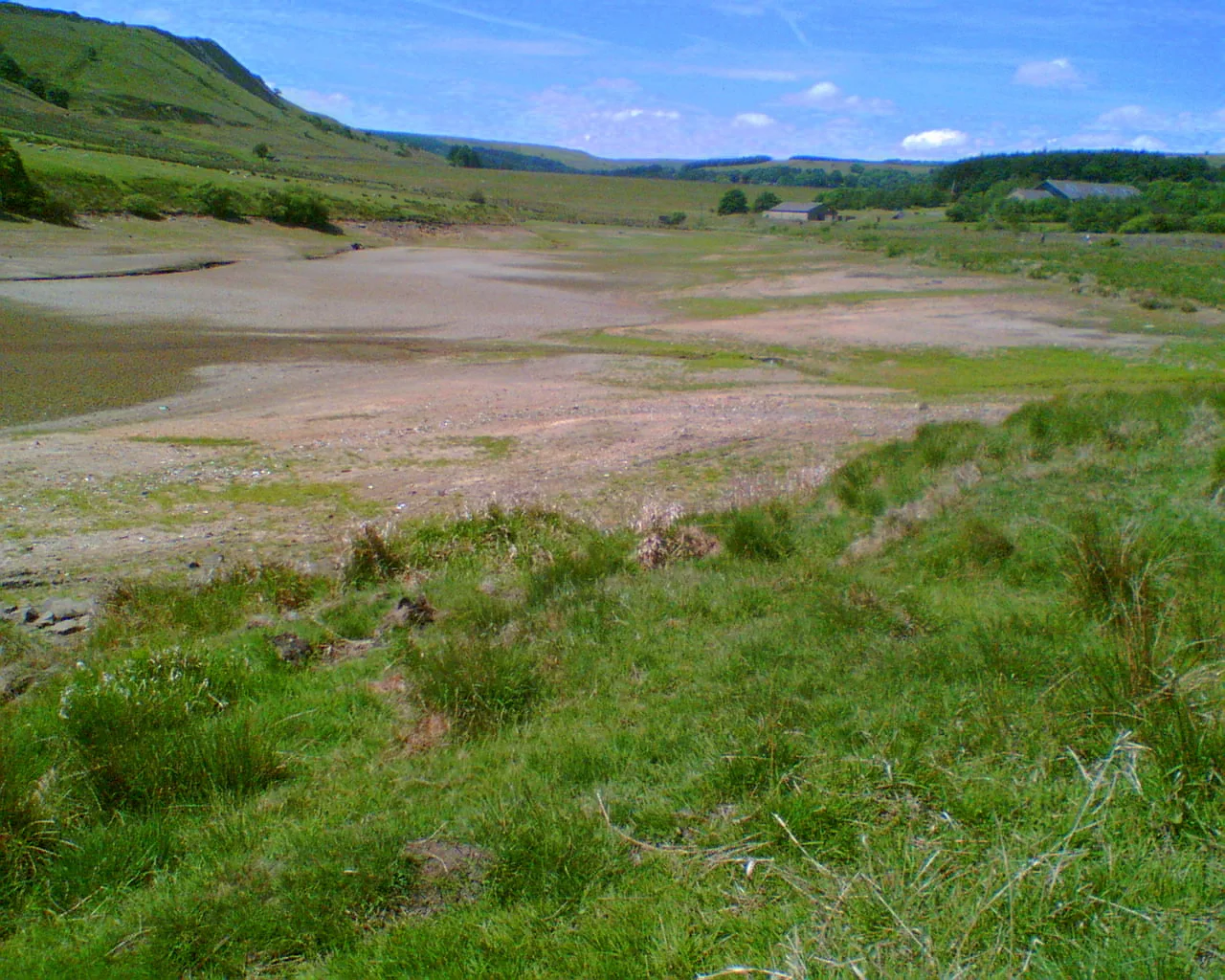
The dry summer has finally tipped over into an official drought across half the country, the drinking water regulator has put Thames Water on notice over a contaminated supply, and Ofwat has set out how it wants water company boardrooms run. Here is what actually matters this week, and, as always, what none of it does to the hardness of your tap water.
Half of England is now officially in drought
The Environment Agency declared drought in seven areas of England on 29 July, covering East Anglia, Hertfordshire and London, the Thames Valley, Hampshire and the Isle of Wight, Devon and Cornwall, the West Midlands and Wessex. July delivered just 7% of expected rainfall nationally, and parts of southern England saw about 1%, with some areas of Devon going 50 days without rain. Reservoir storage has dropped to 75.3% of capacity, and the National Drought Group met Water Minister Emma Hardy on 28 July to review the response. For most households the practical effect is the hosepipe restrictions already in place, not anything coming out of the cold tap. A drought does not concentrate the minerals in your supply and rain will not dilute them, because hardness is set by the rock the water passes through, not by how much of it there is. If you want to know where your area stands, our UK water hardness map is the place to start. Announced by the Environment Agency on GOV.UK.
Thames Water gets a DWI warning over a Kidlington misconnection
The Drinking Water Inspectorate has issued Thames Water a formal warning letter, dated 23 July, over a 2024 incident in Kidlington, Oxfordshire, where a consumer’s supply pipe was mistakenly connected to a sewer during works. The DWI found “multiple and significant failures”, including inadequate planning and risk assessment, poor supervision, no water quality testing before the supply was turned on, and a slow response to customer reports of a problem. Thames Water has since removed the contamination, stood down and retrained the staff involved, and changed its connection procedures. This is exactly the kind of story that matters for drinking water safety, and it is worth being clear that a misconnection is a one-off contamination failure, not a hardness or scale issue. If you are trying to understand what is genuinely in your supply as standard, our guide on fluoride in UK tap water covers what is actually there and why. Reported by WaterBriefing.
Ofwat sets out tougher rules for water company boardrooms
Ofwat has opened a consultation on a new Water Governance Code that would require at least half of a water company’s board to be independent non-executive directors, stop those directors sitting on both the water company and its parent company boards, and keep audit, remuneration and nomination committees separate from the wider group. The powers come from the Water (Special Measures) Act 2025, the consultation runs until 10 September 2026, and the code would apply from April 2028. It is aimed at accountability and conflicts of interest rather than anything you can taste, so it will not change your water one way or the other, but it is the sort of structural reform a water publication should keep on the radar. If your real complaint is scale rather than the regulator, our comparison of a water softener versus a water filter is a better use of ten minutes. Covered by WaterBriefing.