Water Softeners
Should You Soften the Whole House or Just the Kitchen?
Should You Soften the Whole House or Just the Kitchen?
It is a fair question if you live in a hard water area: do you soften the whole house or just the kitchen, where the kettle furs up and the dishes spot? The honest answer surprises most people, because softening and kitchen water treatment are really two different jobs. This guide explains why a water softener is almost always a whole-house decision, where treating just the kitchen actually makes sense, and how to get drinking water right either way.
If you are still deciding whether you need one at all, start with hard water vs soft water.
Why a softener is a whole-house device
A water softener is fitted at the point where the mains supply enters your home, before the water splits off to your taps, shower, boiler and appliances. That is the whole point of it: limescale damages your hot water system, kettle, washing machine, dishwasher, shower and pipework everywhere, not just at the kitchen sink. Softening only one tap would leave the expensive problems, scaled-up heating elements and a furring boiler, completely untouched.
So when people picture “softening just the kitchen”, they usually have the wrong device in mind. You do not bolt a small softener under the sink for one tap. Softening is a whole-house job by design, and the benefits, no scale in the boiler, longer appliance life, softer laundry, easier cleaning, less soap, only appear when the whole supply is treated. Our best water softener guide covers the units that do this.
So what does “treating just the kitchen” mean?
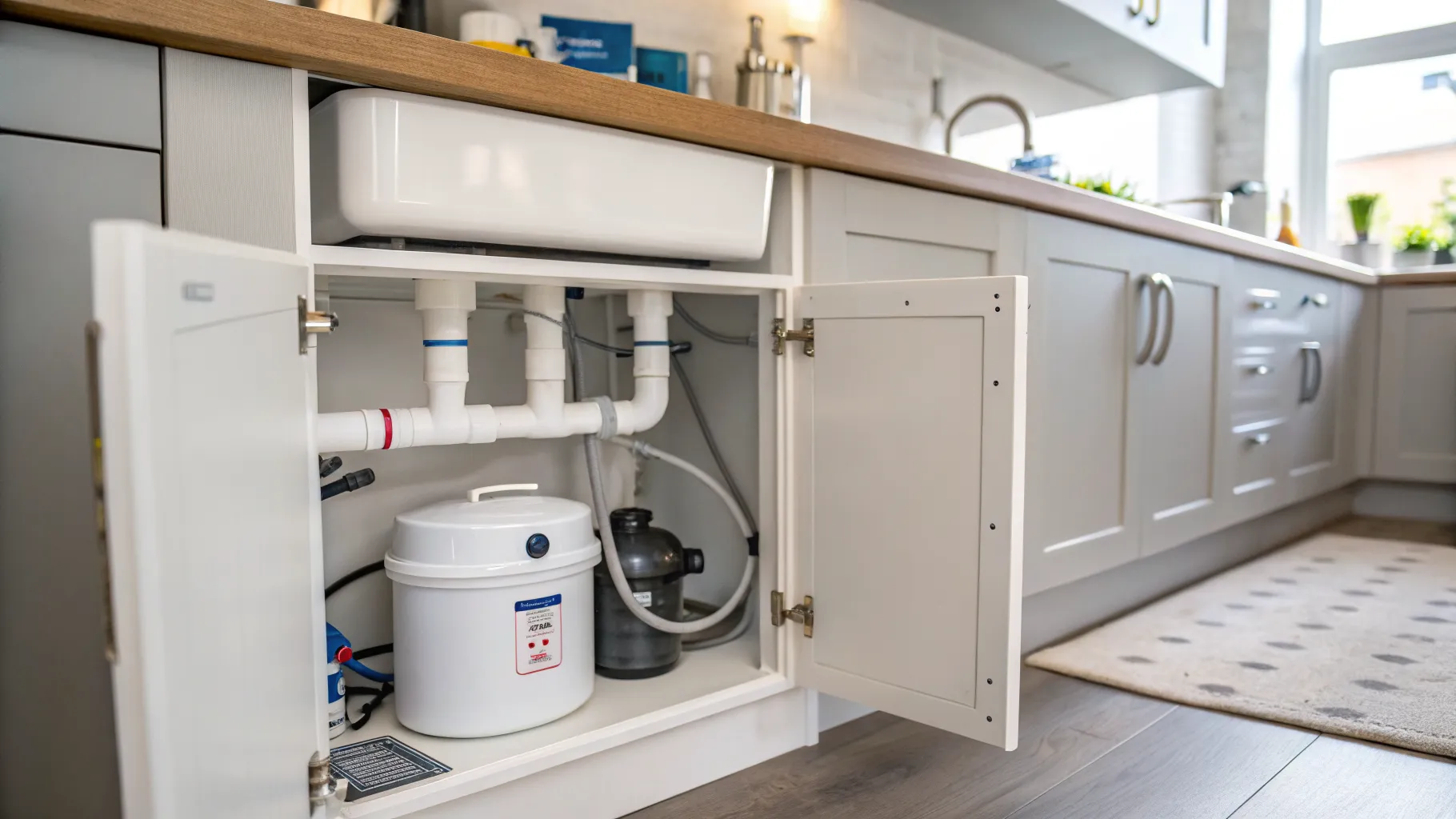
When you only want to improve the water at the kitchen sink, the right tool is not a softener but a filter. A point-of-use filter, an under-sink cartridge, a reverse osmosis system, or a simple filter jug, cleans up the water you drink and cook with at that one tap. It improves taste and reduces impurities, but it does not protect your boiler or appliances, because it only treats water at the sink.
This is the key distinction:
- Softening removes the calcium and magnesium that cause limescale, across the whole house, to protect your plumbing and appliances.
- Filtering improves the drinking water at one tap, for taste and purity.
They solve different problems, which is why many homes end up doing both. Our guide to reverse osmosis vs a jug vs an under-sink filter compares the kitchen options.
The drinking water question
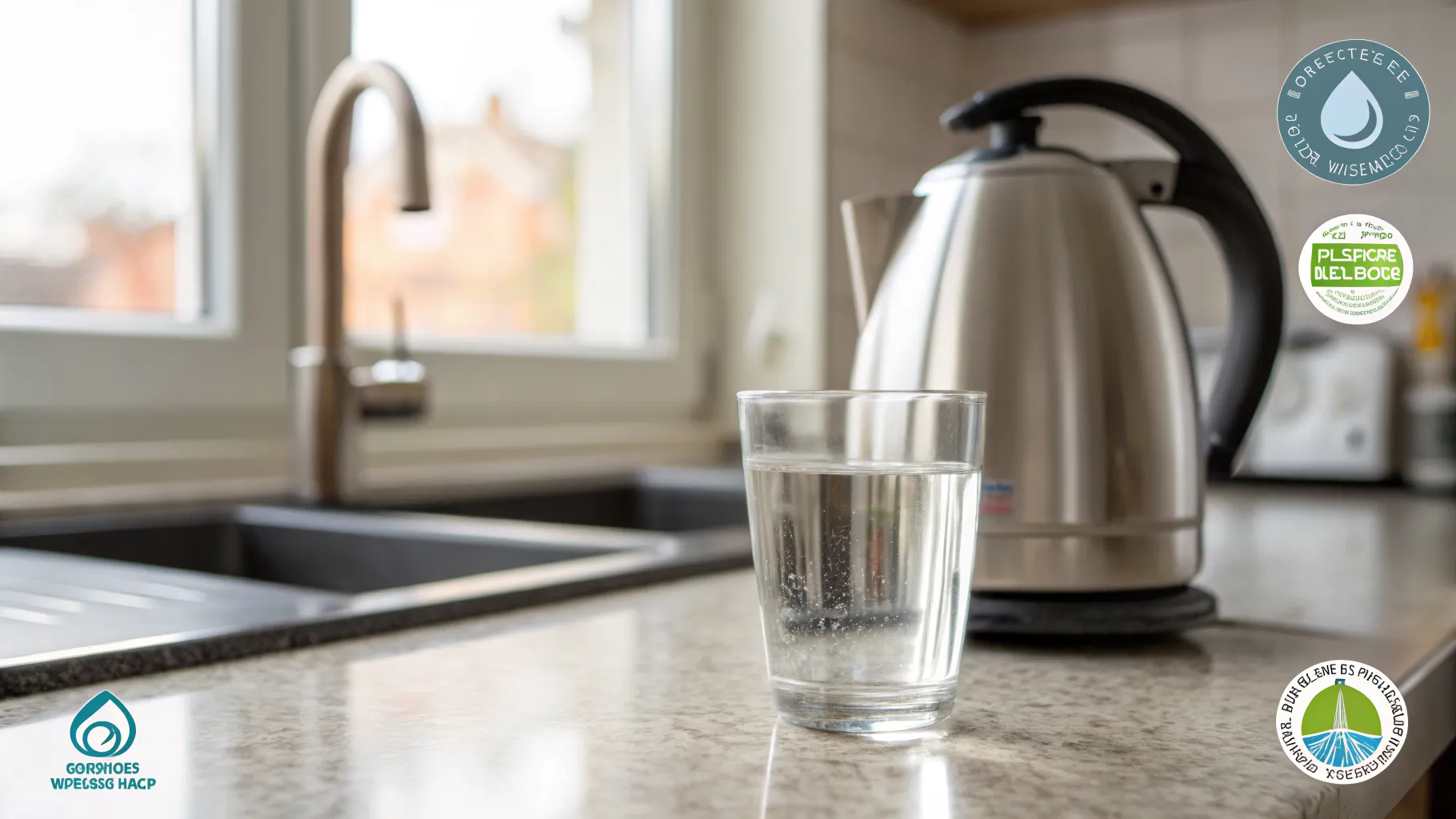
Here is where the kitchen comes back into the picture even with a whole-house softener. A softener works by swapping the hardness minerals for a small amount of sodium. The amount is low, a glass of softened water typically contains only a little sodium and stays well within drinking water safety limits, but UK guidance recommends keeping a separate, unsoftened tap for drinking and cooking, especially for anyone on a sodium-restricted diet, and for making up infant formula.
In practice, this is exactly what a good installer does: they leave the kitchen cold tap on the hard mains supply and soften everything else. So the typical UK setup is “whole house softened, kitchen cold tap left hard for drinking”. You get scale-free hot water and appliances throughout, plus a hard tap for the kettle and glass. You can read more in our guide on whether you can drink softened water, and manufacturers such as EcoWater set out the sodium detail.
If you want better-tasting drinking water on top, that is where a kitchen filter or reverse osmosis unit on that hard tap fits in.
Which approach is right for you?
- You have limescale problems (furring kettle, scaled shower, appliances struggling): soften the whole house. That is the only way to protect the hot water system and appliances, and it is what a softener is for.
- Your water tastes fine but you only want nicer drinking water: you do not need a softener at all, just a kitchen filter at the sink.
- You want both protection and great drinking water: fit a whole-house softener, keep the kitchen cold tap hard, and add a filter or RO unit on that tap.
The mistake to avoid is trying to “save money” by softening only the kitchen. It does not exist as a sensible setup, and it would leave every costly limescale problem in place while solving the cheapest one.
Cost and running considerations
A whole-house softener is a bigger upfront and running commitment than a kitchen filter, because it uses salt and needs occasional topping up and servicing. Weigh that against the savings: less scale damage, longer appliance life, and less cleaning and detergent. Our water softener running cost guide breaks down the ongoing salt cost so you can compare it against the benefit honestly.
Frequently asked questions
Can you soften water for just the kitchen? Not really. A water softener is fitted where the mains enters the house and treats the whole supply, because limescale damages your boiler, pipes and appliances everywhere, not just at the sink. For the kitchen alone you would use a filter, which improves drinking water but does not protect appliances.
Should the kitchen tap be softened or left hard? Most UK installers leave the kitchen cold tap on the hard mains supply for drinking and cooking, and soften everything else. This gives scale-free hot water and appliances while keeping an unsoftened tap for drinking, which is the recommended setup.
Is softened water safe to drink? For most people, yes, the sodium added is low and well within safety limits. However, UK guidance advises keeping a separate hard tap for those on sodium-restricted diets and for making up baby formula, which is why the kitchen cold tap is usually left unsoftened.
What is the difference between softening and filtering water? Softening removes the calcium and magnesium that cause limescale across the whole house, protecting plumbing and appliances. Filtering improves the taste and purity of drinking water at a single tap. They solve different problems, so many homes use both.
Do I need a softener if I only care about drinking water? No. If your only goal is better-tasting drinking water and you are not worried about limescale, a kitchen filter or reverse osmosis unit at the sink is enough. A whole-house softener is for protecting appliances and plumbing from scale.
Can I have a softener and still get good drinking water? Yes. Fit a whole-house softener, keep the kitchen cold tap on the hard supply, and add a filter or reverse osmosis system to that tap if you want purer drinking water. This is a common and effective combination.